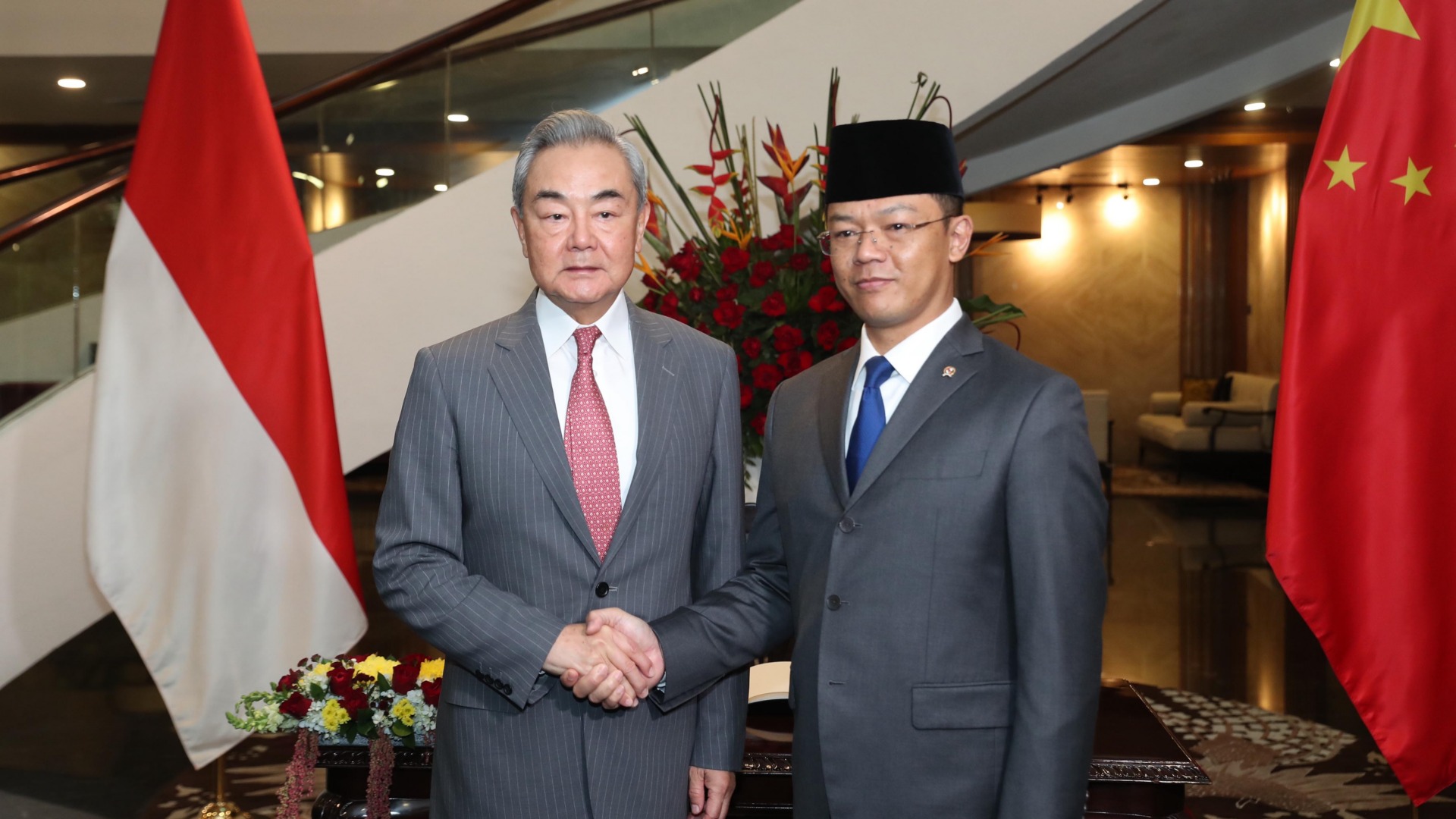
During the Indonesia-China foreign ministers’ meeting in Jakarta in August this year, both countries agreed to make maritime cooperation one of the main pillars of Indonesia-China strategic dialogue. One of the maritime cooperation priority agendas discussed was marine scientific research. But with China often using marine scientific research as part of its assertive maritime strategy, Indonesia should develop a plan to ensure that cooperation in this area will not threaten Indonesia’s security.
In the past few years, China has intensified marine scientific research. According to CSIS, China has more marine scientific research vessels operating in the Indo-Pacific than any other country, including the United States. Chinese research vessels operate in various locations from the South China Sea to the Indian Ocean. So how can Indonesia and China advance marine scientific research that benefits both countries while keeping national security interests in mind?
Indeed, the United Nations Convention on the Law of the Sea (UNCLOS) encourages cooperation on marine scientific research to advance human knowledge of the ocean. Given the vastness and depth of the world’s oceans, scientists often consider them largely unexplored. But it is important to note that under UNCLOS, marine scientific research should be conducted for peaceful purposes and should not become the basis for asserting maritime claims.
For Indonesia, the world’s largest archipelagic state with a vast maritime area within its exclusive economic zone and continental shelf, knowledge of what lies beneath its waters is critical. However, with limited technology and resource capacity, international cooperation on marine scientific research is becoming very important.
But despite the benefits that Indonesia may get by conducting marine scientific research cooperation with China, it also carry significant risks. In recent years, China’s research activities have operated illegally in Indonesian waters. For instance, the research vessel Haiyang Dizhi 10 has often conducted illegal surveys in Indonesia’s Exclusive Economic Zone. Moreover, Chinese-owned uncrewed underwater vehicles (UUVs) have also been found operating in Indonesian archipelagic waters.
With these growing concerns, Indonesia should consider three things when developing marine scientific research that can benefit both Indonesia and China.
First, marine scientific research cooperation needs a clear definition and scope. Under UNCLOS, there are no clear definitions of marine scientific research. As a result, different parties interpret for themselves what counts as marine scientific research. A wide range of generally recognized activities include seabed topography, geology, fisheries ecosystems, marine ecosystems, genetic resources, and environmental protection.
Some other activities, despite using some of the same capabilities and data collection methods, are usually not regarded as marine scientific research. For instance, surveillance for military purposes or survey activities for oil and gas exploration are often considered not part of academic marine scientific research.
When it comes to cooperation with China, however, this scope of research can be difficult to distinguish, particularly because of the strong link between Chinese research institutions and the People’s Liberation Army. Some reports suggest that Chinese university-based research institutions supply research to the PLA. Such a close relationship may expose Indonesia’s marine data and spatial information to Chinese military institutions.
Therefore, the cooperation agreement between Indonesia and China should clearly define what activities qualify as marine scientific research and how the data may be used.
Secondly, all cooperation projects should comply with UNCLOS jurisdictional regulations. For instance, marine scientific research in the EEZ, archipelagic waters, and territorial waters should be based on the consent of coastal states. Under UNCLOS, this consent has to be specific to each research project. Indonesia therefore should maintain the requirement to secure its consent for each research activity conducted in its maritime areas under the cooperation agreement.
In the past five years alone, at least three Chinese UUVs were found in Indonesian archipelagic waters in Lombok and South Sulawesi, accidentally discovered by local Indonesian fishermen. Chinese research institutions allegedly operated these UUVs without consent and permission from the Indonesian authorities. Therefore, those UUVs operated in Indonesian waters illegally and cannot be considered legitimate.
Moreover, the type of scientific research conducted and where it is conducted can sometimes be contested. For instance, in research related to hydrography and military activities, coastal states and major maritime powers often disagree. The United States and the United Kingdom consider hydrography and military research to be allowed within the EEZ, and reject efforts by coastal states with more restrictive policies to regulate such research.
Marine scientific research can also be sensitive, particularly in a contested maritime area. For instance, even though Indonesia does not recognize any overlapping maritime claim with China, Indonesia’s EEZ overlaps with China’s illegal nine-dash line. Therefore, any research activity conducted in the overlapping area could also become very sensitive.
Thirdly, it is important to have a reciprocal agreement between Indonesian and Chinese research institutions. It should not only allow Chinese institutions to conduct research in Indonesian waters, but also allow Indonesian scholars and researchers to conduct research in Chinese waters and access information from that research.
This reciprocal agreement could not only give Indonesian research institutions more data and information, but it could also increase the possibility of technology transfer for Indonesian researchers and institutions.
Marine scientific research cooperation between Indonesia and China is important for both countries. However, given China’s aggressive maritime behavior, which often uses marine scientific research to assert its aggressive and illegal claims, Indonesia should ensure any such cooperation follows these principles so that it is not co-opted to serve China’s interests.
Cover photo: Cen Yunpeng/Xinhua/Getty Images
